2024-12-22
How to build a two-year cash buffer before you retire
I've been thinking about the cash buffer problem for a while now, and I keep finding that most retirement advice either hand-waves through it ("keep some cash on hand!") or...
Hi, I'm Daniel. I think about money carefully. Brook Vault Path is a fee-only financial advisory practice. I work with...
I am Daniel Ashworth, the founder and sole adviser at Brook Vault Path. I trained at a regional wealth management firm in Niigata, where I spent eight years before setting up independently in 2017. I qualified as a Chartered Financial Planner that same year and have been a...
I've been thinking about the cash buffer problem for a while now, and I keep finding that most retirement advice either hand-waves through it ("keep some cash on hand!") or...
I've been sitting with this question for a few months now, partly because I keep getting versions of it from people in their early-to-mid 40s who are finally earning good money...
I've been sitting with this one for a while, partly because the policy detail is genuinely fiddly and partly because I wanted to wait until HMRC published its technical...
I want to talk about a risk that I think is genuinely under-discussed, even among people who have spent years planning carefully for retirement. Most of us grow up...
I got my first pension statement at twenty-six and genuinely had no idea what I was looking at. There were numbers everywhere — transfer values, fund values, projected incomes...
thanks for stopping by
I charge a flat fee or an annual retainer. I do not earn commission on any product I recommend, which means the advice I give is not influenced by what pays me more.
Every engagement ends with a written document you can read on the train, share with your partner, or revisit in three years. Not a 40-slide presentation that lives on my laptop.
You work with me directly. I do not hand you to a junior associate after the first meeting. If you call, I pick up.
I write these for clients and for anyone thinking through a financial decision. They are free. No email required to read them. If something prompts a question, the contact page has my details.

A single A4 sheet that captures the six numbers every household should know: net worth, monthly surplus, protection gap, pension projection, ISA balance, and target retirement income. I use a version of this with every new client. Download it, fill it in, and see where the gaps are.

The risk that gets the least attention in retirement planning is not market crashes in the abstract but the specific order in which returns arrive in your early retirement years. This 12-page guide explains the mechanics, shows three historical scenarios, and outlines the practical mitigations I use with clients.

Not a generic comparison article but a structured decision tree based on your marginal tax rate, time horizon, and likely retirement income. I built this after answering the same question in slightly different forms about 200 times. It covers the edge cases most articles skip.
“Daniel spent two hours going through our pension situation before we made any decisions. He told us one of the funds we were in was fine but not optimal, and explained exactly why. That kind of honesty is not what I expected.
Margaret T. · Retired teacher, client since 2019
“I came in for a one-off health check and ended up with a written plan I still refer to. He did not push me toward an ongoing arrangement, which I appreciated. When I was ready for that, I came back.
James R. · Self-employed contractor
I've been thinking about the cash buffer problem for a while now, and I keep finding that most retirement advice either hand-waves through it ("keep some cash on hand!") or goes so deep into Monte Carlo simulations that the actual practical steps get buried. So here's my attempt to work through it concretely. The core idea is straightforward: if you hold enough cash to cover roughly two years of living expenses outside your investment portfolio, you can ride out a bad market without being forced to sell equities at depressed prices. That forced selling is, I think, one of the most underappreciated risks in early retirement — not the average return, but the sequence of returns in the first two or three years. This piece is specifically about the mechanics of building that buffer before you retire, choosing the right account types, and thinking through how to replenish it once you're actually drawing it down. I'm still working some of this out myself, but I'll share what I've found useful.
Read more →I've been sitting with this question for a few months now, partly because I keep getting versions of it from people in their early-to-mid 40s who are finally earning good money and feel vaguely guilty that they haven't "sorted it out" yet. The ISA vs pension debate sounds simple on the surface — tax-free growth now versus tax relief now — but for people earning between £60,000 and £100,000, there are two specific wrinkles that change the calculation dramatically: the personal allowance taper and the high income child benefit charge. I'm going to work through the decision tree here as honestly as I can, including the parts where I think the answer is genuinely "it depends." I'll flag where I'm still working things out, and I'll be specific about numbers because abstract principles aren't actually that useful when you're staring at a payslip wondering what to do next.
Read more →I've been sitting with this one for a while, partly because the policy detail is genuinely fiddly and partly because I wanted to wait until HMRC published its technical consultation response before writing anything definitive. We now have enough to work with. From April 2027, defined contribution pension funds that you haven't spent — the pot sitting in your SIPP or workplace pension when you die — will for the first time be brought inside your estate for inheritance tax purposes. That's a significant structural shift. For the last couple of decades, the received wisdom in retirement planning was "spend other assets first, let the pension pass IHT-free." That playbook is being rewritten. I'm still working through some of the edge cases myself, but the core mechanics are clear enough that I think it's worth walking through them now, before April 2027 starts to feel urgent and rushed.
Read more →Answer three questions and I will point you toward the service or resource that is most likely to be useful for where you are right now.
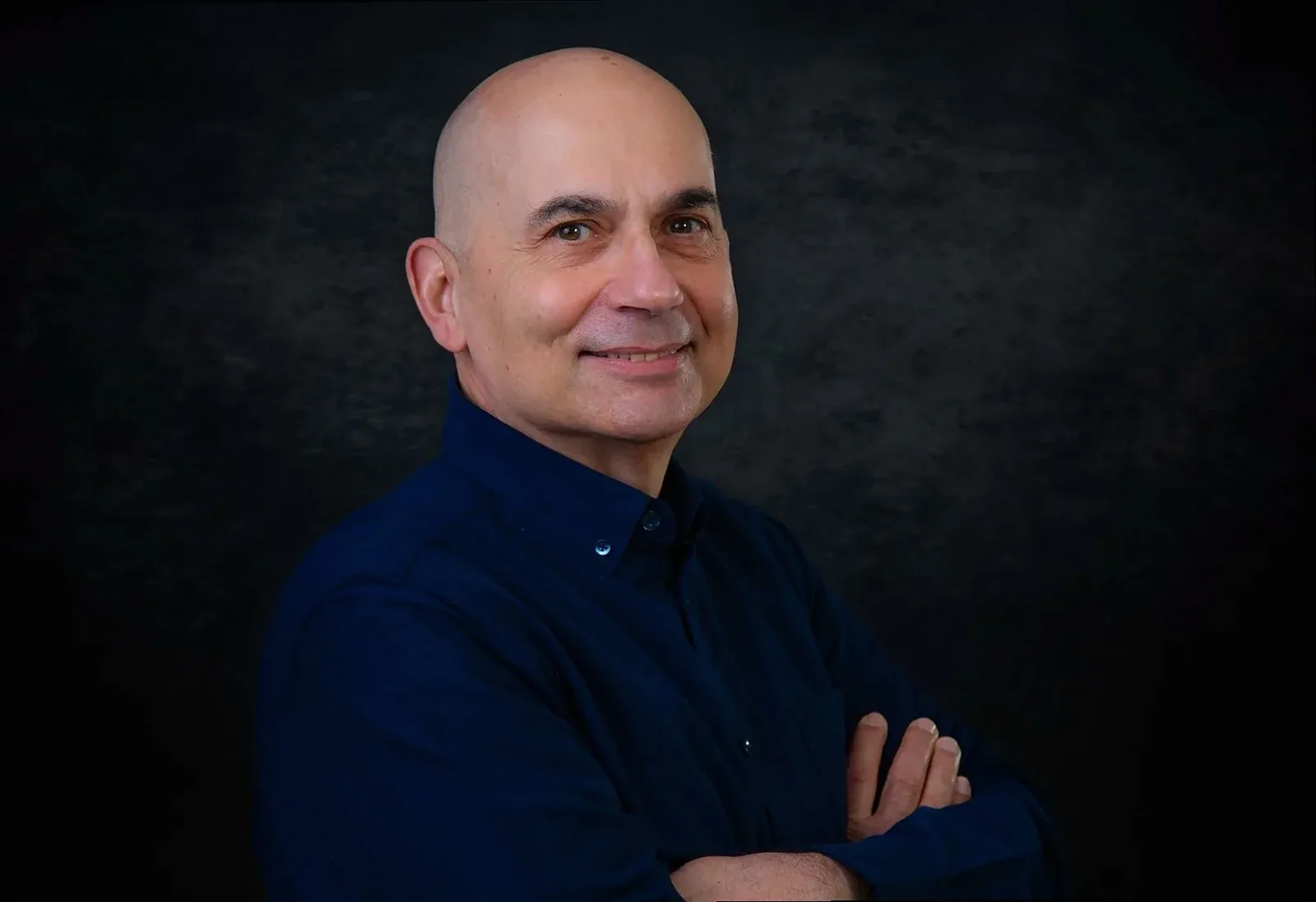
I am Daniel Ashworth, the founder and sole adviser at Brook Vault Path. I trained at a regional wealth management firm in Niigata, where I spent eight years before setting up independently in 2017. I qualified as a Chartered Financial Planner that same year and have been a member of the Personal Finance Society since 2018. My particular interest is in retirement income sequencing and the behavioural side of financial decision-making. Outside the practice, I read a lot of economic history (currently working through Liaquat Ahamed's 'Lords of Finance' for the second time), walk most mornings, and grow more tomatoes than I can reasonably eat.